Last Updated: 27 October 2026
Quick Summary
Leather furniture protection is worth the cost when guarding a sofa costs less than repairing or replacing it, so it depends on the piece’s price, how hard it is used and local repair costs. A protection plan covers accidental stains and rips, while a spray slows everyday wear.
- A leather sofa protection plan rarely covers gradual wear, cracking, fading or pet damage unless listed.
- Never spray a dirty sofa, as protection seals soil in; clean, condition, then protect.
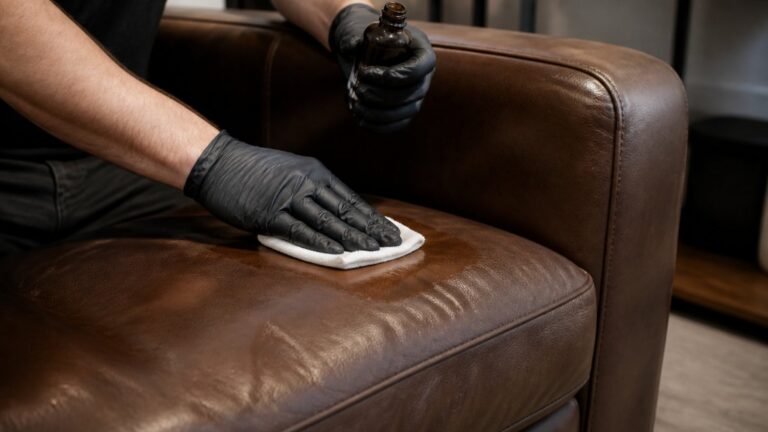
- Clean with a pH-neutral leather cleaner every three to six months and condition dry areas after.
- Wipe spills immediately with a dry cloth and never rub.
- Keep the sofa out of direct sunlight and away from radiators.
Table of Contents
- When Leather Furniture Protection Pays for Itself
- What a Leather Sofa Protection Plan Covers and What It Misses
- Does Leather Furniture Protection Spray Actually Work?
- How to Protect a Leather Sofa Without Wasting Money
- Leather Furniture Repair Cost vs Replacing the Item
- The Hidden Costs of Skipping Protection
- Get a Quote for Expert Leather Repair and Restoration
- Frequently Asked Questions
When Leather Furniture Protection Pays for Itself
Leather furniture protection is a service or product intended to guard leather upholstery against stains, scuffs and drying, and it usually pays for itself when the cost of guarding a sofa is lower than the cost of repairing or replacing it. At Uniqcare, we have over 40 years of experience.
The honest answer to whether leather furniture protection is worth it depends on three things. How much did the piece cost? How hard is it used? And how much does a repair cost compared with a replacement?
Below, we break down what protection plans actually cover, whether sprays deliver, and how to decide without wasting money.
There are two different things sold under the same name. A leather sofa protection plan is an insurance-style policy from a retailer that covers accidental damage for a set period. A leather furniture protection spray is a topical treatment you apply yourself to slow wear. They solve different problems, and conflating them is how people end up disappointed.
What a Leather Sofa Protection Plan Covers and What It Misses
A leather sofa protection plan typically covers accidental stains and rips for a fixed term, but it rarely covers the gradual wear and cracking that causes most leather damage. That gap matters more than the headline cover.
Most plans exclude:
- Wear and tear, including cracks that develop from drying
- Fading from sunlight
- Damage from pets unless specifically listed
- Pre-existing marks noted at purchase
If a pet scratch or a spill is your worry, check the exclusions before you sign. Our step-by-step guide to removing pet stains from leather shows what you can tackle yourself.
Does Leather Furniture Protection Spray Actually Work?
A common mistake is spraying a dirty sofa. Protection sits on top of the soil and seals it in. Clean first, condition, then protect. If peeling has already begun, spraying will not fix it, and our guide on how to stop leather sofa peeling covers what actually does.
How to Protect a Leather Sofa Without Wasting Money
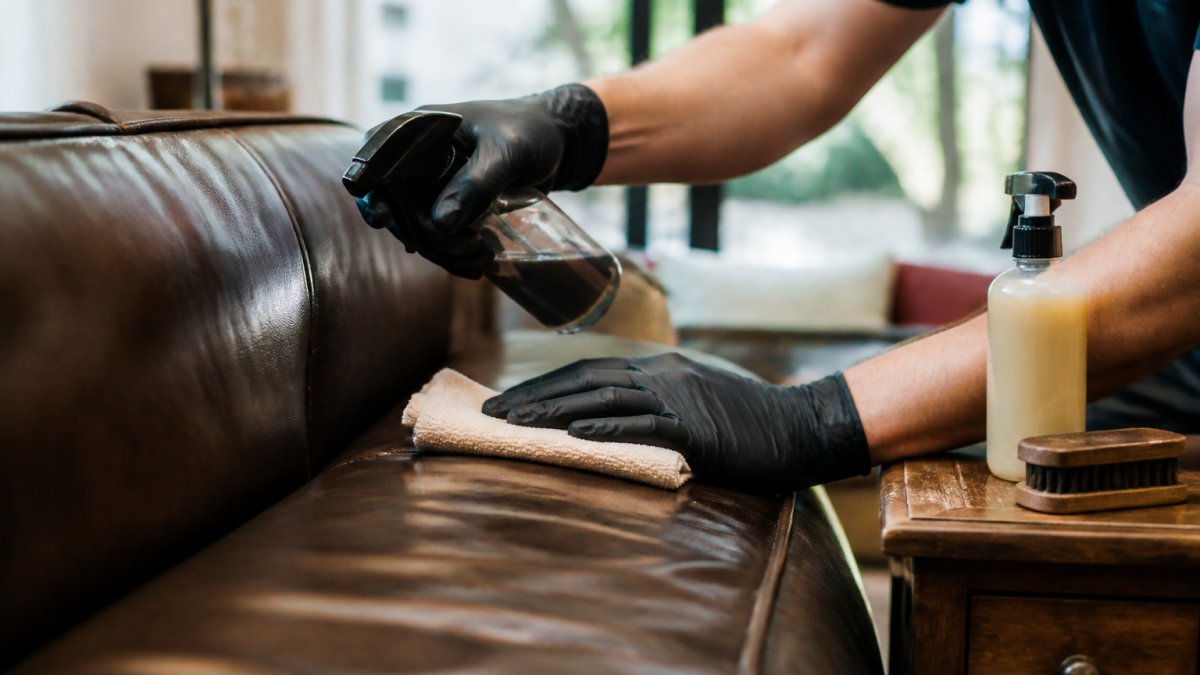
- Dust and vacuum crevices weekly with a soft brush
- Wipe spills immediately with a dry cloth, never rub
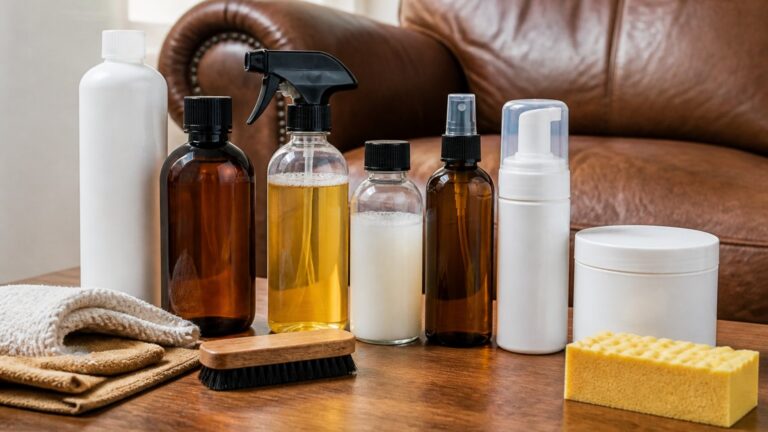
- Clean with a pH-neutral leather cleaner every three to six months
- Condition dry areas after cleaning
- Apply protection spray sparingly, then buff off excess
- Keep the sofa out of direct sunlight and away from radiators
Keeping on top of these simple tasks is how you protect a leather sofa without wasting money. Our leather cleaner guide explains how to clean, condition and protect your sofa yourself.
| Task | Frequency |
|---|---|
| Dust and vacuum crevices with a soft brush | Weekly |
| Wipe spills with a dry cloth, never rub | Immediately |
| Clean with a pH-neutral leather cleaner | Every three to six months |
| Condition dry areas | After cleaning |
| Apply protection spray sparingly and buff off excess | As part of the routine |
| Keep out of direct sunlight and away from radiators | Ongoing |
Leather Furniture Repair Cost vs Replacing the Item
The insider point most people miss: a repair that matches colour and texture invisibly preserves the value of the whole piece. A visible patch does not. That is the difference between a fix and a bodge.
The Hidden Costs of Skipping Protection
Protection is not a guarantee. It is a way of slowing a process that is otherwise certain. To understand how unprotected leather deteriorates, read about why leather furniture cracks over time.
Get a Quote for Expert Leather Repair and Restoration
At Uniqcare, our technicians repair leather, fabric and carpets at your home. Our technicians are fully DBS checked, and we have over 40 years of experience across the West Midlands.
Get started with Uniqcare and restore the comfort and value of the furniture you already own. Get a quote.
Frequently Asked Questions
Is leather furniture protection worth the cost?
It depends on the leather and how you use the furniture. A protection plan typically costs a fraction of replacing a sofa, but it only pays off if the cover includes accidental damage and you claim. For everyday wear, a leather furniture protection spray and regular conditioning often deliver better value. If damage is already visible, professional repair is usually more cost-effective than a plan that excludes existing faults.
What does a leather sofa protection plan usually cover?
Most plans cover accidental stains, rips, and punctures that happen after purchase, and some include a professional cleaning or repair visit. They rarely cover general wear and tear, fading, or damage from pets. Always read the exclusions carefully. A leather sofa protection plan can be useful for households with children or pets, but check the claim limit and whether you must use an approved repairer.
Can I repair scratches and cracks in a leather sofa myself?
Small surface scratches can sometimes be improved with a leather balm, but deep cracks, tears, and colour loss need professional attention. DIY kits from hardware shops often make the damage worse because colour matching is difficult. A trained technician can fill, recolour, and blend the repair so it is nearly invisible. If the leather is torn or cracked, get a quote before trying a kit.
How often should I condition leather furniture?
Conditioning every six to twelve months is enough for most sofas in normal use. In a sunny room or with heavy daily use, every six months is safer. Clean first with a pH-neutral leather cleaner, then apply a thin layer of conditioner and buff off any excess. Over-conditioning can leave a sticky residue, so follow the product instructions and avoid silicone-based sprays that can dry the leather over time.